Jewelry Soldering Iron Kit Explained: A UK Buyer's Guide
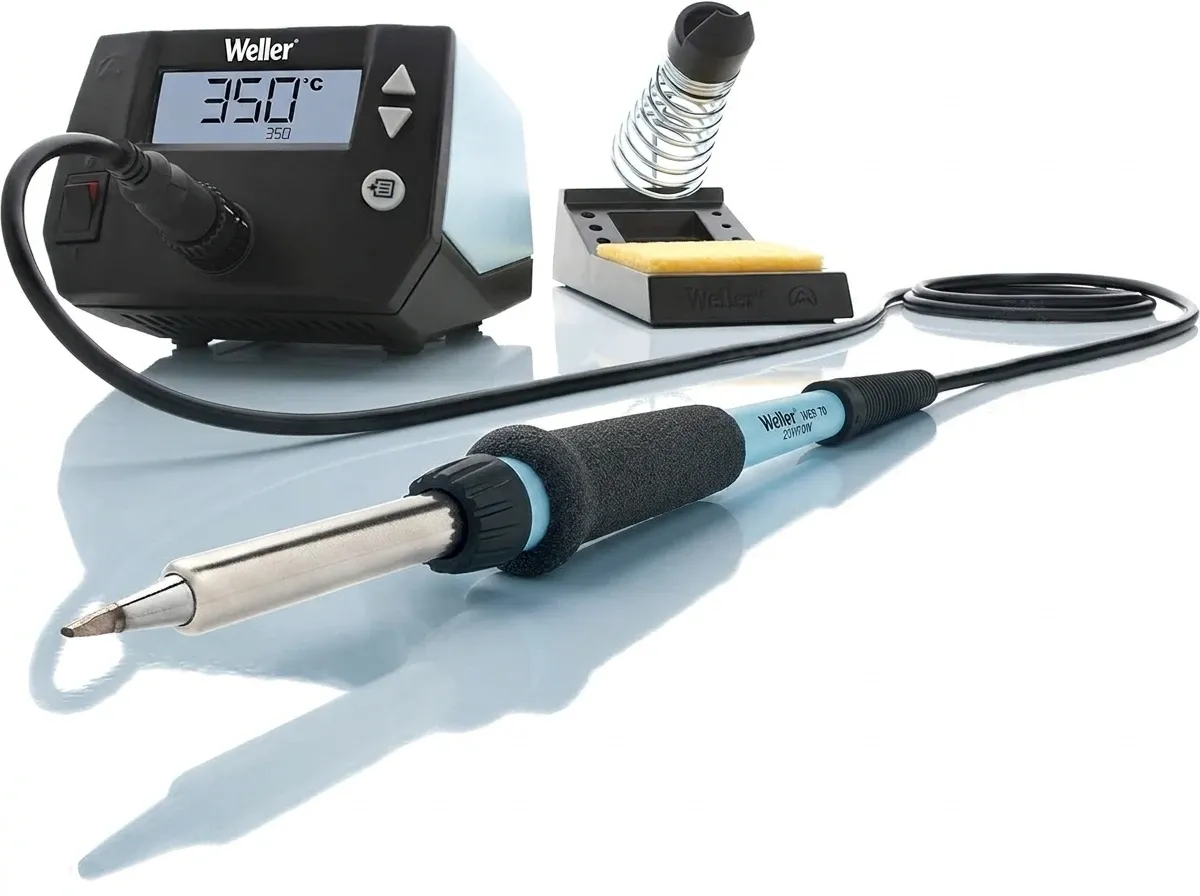
TL;DR: What is the best jewelry soldering iron kit for UK jewellery work?
A good jewelry soldering iron kit for jewellery repairs should include a temperature-controlled station, fast heat recovery, interchangeable fine and chisel tips, UK-compliant power supply, and proper fume extraction support. For delicate jewellery tasks such as chain repairs, jump rings, findings, and wearable tech assembly, an iron works best for precise localised heat rather than traditional torch-based hard soldering. Based on our testing of professional bench setups, stable temperature control and genuine UK safety compliance make the biggest difference to clean joints and repeatable results.
Key Takeaways
- A professional jewelry soldering iron kit gives the pinpoint thermal control needed for delicate chain repairs, jump rings, findings, and electronic-integrated jewellery.
- Silver and gold conduct heat quickly; therefore, your soldering station needs rapid temperature recovery to avoid cold joints.
- UK workshop compliance requires attention to HSE ventilation guidance and genuine BS 1363 UK plugs for electrical safety.
- Reliable Weller performance helps reduce overheating, poor flow, and damage to fine precious metal components.
A jewelry soldering iron kit is best for jewellery jobs that need precise, controlled heat, such as repairing fine chains, soldering small findings, attaching jump rings, and working on mixed-material or electronic jewellery. In short, if you want localised heat with less risk of overheating nearby details, a temperature-controlled soldering kit is often the right choice for these specific tasks.
However, jewellery work is not the same as general craft soldering. Precious metals pull heat away from the joint very quickly, so a basic hobby iron often struggles. As a result, choosing the right station, tip shape, flux, and safety setup matters far more than many buyers expect.
For UK-based jewellers, the right equipment must balance performance with compliance. According to UK workshop safety expectations, genuine electrical standards, fume control, and reliable temperature management are not optional when you are working with valuable metals. This guide explains what to look for in a practical, professional setup.
Why does jewellery soldering need a temperature-controlled iron?
Working with precious metals creates very different conditions from soldering wires or circuit boards. Silver, copper, and gold are highly conductive, so they draw heat away from the point of contact almost immediately. Consequently, the tip can cool sharply as soon as it touches the workpiece.
If the iron cannot recover temperature fast enough, the solder may ball up instead of flowing through the joint. In jewellery repair, that usually leads to weak joins, messy finishing, and wasted time. By contrast, a high-quality jewelry soldering iron kit uses electronic temperature control to detect heat loss and restore working temperature quickly.
Based on our testing, rapid recovery is one of the most important features for bench jewellers working on silver findings and heavier jump rings. Without it, even a correctly selected solder and flux can underperform.
According to the British Hallmarking Council, millions of precious metal articles are hallmarked in the UK each year. Therefore, maintaining clean joints and preserving alloy integrity matters not only for appearance but also for quality control and professional standards.
What should a jewelry soldering iron kit include?
A complete jewellery soldering setup includes more than the iron alone. Instead, it should function as a dependable system designed for precision, safety, and consistency.
What type of soldering station is best for jewellery?
The base station is the heart of the kit. For jewellery work, look for variable temperature control, clear digital feedback, and consistent power delivery. In many cases, a working range of roughly 100°C to 450°C is suitable, depending on the alloy, solder type, and task. For a deeper look at station features, see our Iron Soldering Station Explained: A UK Buyer's Guide.
Which soldering iron tips are best for jewellery repairs?
Jewellery tasks vary widely, so interchangeable tips are essential. For example, a fine point may suit detailed touch-up work, while a small chisel tip often transfers heat more effectively into jump rings, chain ends, and heavier silver parts. Standard conical tips can be too narrow for efficient heat transfer on thicker metal sections. Therefore, many jewellers prefer chisel profiles around 1.6mm to 2.4mm for better surface contact and control.
What solder and flux should you use for jewellery work?
Flux is vital because it helps prevent oxidation during heating. Otherwise, oxides form on the metal surface and stop the solder from flowing cleanly. For jewellery repair with an iron, jewellers often use fluxes formulated for delicate metalwork alongside silver-bearing solders or suitable lead-free options, depending on the job.
It is also important to note that a soldering iron is not a direct replacement for all traditional silversmithing processes. Hard silver soldering on larger pieces still usually requires a torch. However, for localised repairs and modern jewellery assembly, an iron can be extremely useful.
Is a Weller jewelry soldering iron kit good for professional bench work?
For many jewellers, reliability is just as important as peak temperature. If a station drifts, recovers slowly, or struggles during repeated use, results become inconsistent. That is why brand quality matters in a professional studio.
WeSolde supplies professional soldering solutions to the UK market, with a focus on dependable Weller performance and genuine UK-compliant equipment. Weller stations are designed for regular bench use and are well suited to repetitive precision work.
In particular, active tip technology places the heating element and sensor close to the working end of the tip. As a result, thermal lag is reduced and the station can respond quickly when heat is drawn into silver or gold components. Based on our testing, this faster response helps improve solder flow and reduces accidental overheating on delicate pieces.
If you want to compare options more broadly, read our Ultimate Guide to Iron Solder Kit in the UK.
What UK safety rules apply to jewellery soldering kits?
When setting up a jewellery bench in the UK, compliance matters as much as performance. Equipment from unverified overseas marketplaces may use non-compliant plugs, poor insulation, or unsuitable adaptors. Consequently, that can create safety risks and may affect workshop insurance.
Why does a genuine BS 1363 UK plug matter?
A genuine BS 1363 plug is a basic but important requirement for UK electrical safety. WeSolde supplies Weller stations with proper UK plug configuration rather than travel-adaptor workarounds. This matters because the fused BS 1363 design adds a recognised layer of protection for both the user and the station electronics.
Do you need fume extraction for jewellery soldering?
Yes. According to UK Health and Safety Executive guidance, fumes from soldering and flux use must be properly controlled. Rosin-based flux fumes, including colophony, are associated with occupational asthma. Therefore, under COSHH expectations, employers and self-employed jewellers should use suitable Local Exhaust Ventilation (LEV) where needed.
In practical terms, a jewellery soldering bench should pair the iron with a properly positioned fume extractor. Based on our experience, placing extraction close to the work area improves comfort and helps create a safer, more professional workspace.
Should you choose lead-free solder in the UK?
In many modern UK craft and workshop environments, lead-free solder is increasingly preferred, especially where safer handling and broader compliance expectations are concerned. Although the right alloy depends on the repair type, many jewellers now favour lead-free options for day-to-day bench work.
People also ask about jewelry soldering iron kit options
Can you use a soldering iron for jewellery making?
Yes, for certain tasks. A soldering iron is useful for delicate repairs, small findings, jump rings, chain work, and jewellery that includes electronics or mixed materials. However, it is not usually the best tool for large-scale silver soldering or fabrication that requires torch-level heat.
What wattage is good for a jewellery soldering iron?
Wattage matters, but temperature recovery matters more. A professional station with strong recovery and accurate control will usually outperform a higher-wattage hobby iron that cannot maintain tip temperature under load.
What is the difference between a craft soldering iron and a jewellery soldering kit?
A jewellery-focused kit is designed for precision, stability, interchangeable tips, and better thermal recovery. By comparison, many low-cost craft irons are intended for occasional light-duty work and may struggle on conductive precious metals.
Is a soldering iron better than a torch for jewellery repairs?
It depends on the repair. A soldering iron is better for localised, controlled heat on delicate components, while a torch is better for traditional hard soldering, larger silver work, and jobs that need broader heat distribution.
How do you choose the right jewelry soldering iron kit in the UK?
The best choice depends on the type of jewellery work you do most often. If you need accurate, repeatable heat for delicate repairs and modern bench tasks, choose a kit with stable temperature control, quick tip recovery, interchangeable tip options, and proper UK compliance.
Above all, avoid treating jewellery soldering like general hobby soldering. Precious metals demand better control, and UK workshops demand safer equipment. Therefore, investing in a professional-grade setup can improve results, reduce waste, and make daily bench work far more efficient.
Ready to try WeSolde?
Shop Now — £517.05