Jewellery Soldering Iron Kit: A UK Tool Guide
This distinction matters most to a maker upgrading from a cheap fixed-temperature iron. If the old tool scorches a craft finding, loses heat or leaves an unreliable soft-solder joint, better control may help that specific process. It does not turn an electrical soldering station into the normal tool for sizing a silver ring or fabricating a gold chain.
First identify which “jewellery soldering” process you mean
| Project | Normal starting tool | Decision boundary |
|---|---|---|
| Conventional silver or gold fabrication | A jewellery torch, heat-resistant block, suitable solder and flux | Cooksongold describes controlled flame heating across the piece; an electronics iron is not a direct substitute. |
| Low-temperature soft-solder craft or copper-foil work | An iron only where the material, solder and flux instructions specify it | Check finishes, stones, adhesives and ventilation before applying heat. |
| Electronic-integrated jewellery | An iron for the electronic wire or PCB joint | Protect the decorative material and keep the electronic process separate from precious-metal fabrication. |
| Unknown alloy, plated item or valuable repair | Identify the material or refer the work | Do not learn by heating an irreplaceable piece. |
Why a long accessory list can hide the wrong heat source
A bundle may include tweezers, solder, a stand and several tips, yet still be wrong for the project. Start with the metal and joining method. For traditional jewellery soldering, Cooksongold lists a hand torch as vital and also calls for a heat-resistant soldering block, flux, cleaning and safe handling tools. Those are not optional extras that a PCB station replaces.
For a documented soft-solder craft process, the useful checks are different: the solder and flux must suit the base material, the tip needs enough contact area, and nearby coatings or adhesives must tolerate the process. A tiny pointed tip can be precise but may transfer heat poorly; an oversized tip can heat more of the object than intended.
When upgrading from a basic iron is sensible
An upgrader often reaches this page after another scorched finding or a joint that will not wet cleanly. Before spending more, rule out a contaminated surface, the wrong solder or flux, a worn tip and a process that should use a torch. Temperature control cannot correct a mismatched technique.
- Choose an adjustable iron only if the documented process uses contact heat.
- Check replacement-tip shapes and availability before judging the accessory count.
- Confirm the exact voltage and supplied configuration for UK use.
- Plan a stable rest, a heat-resistant surface and effective control of the relevant flux fume.
- Practise on the same low-value materials before touching a finished or sentimental piece.
If use will be occasional, a £517.05 professional electronics station may be excessive. The right answer can be a simpler process-specific iron, a proper torch kit with training, or referring the repair. “More expensive” and “more appropriate” are not synonyms.
What the Weller WE1010 set actually establishes
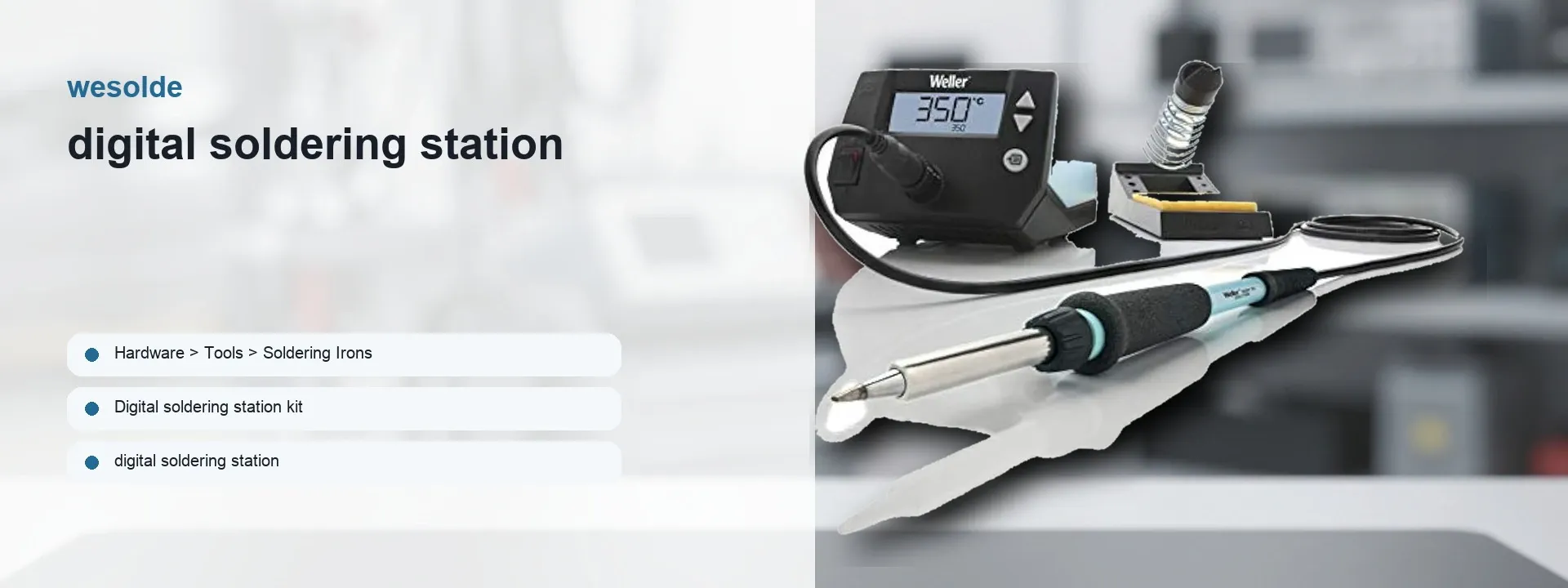
Weller lists the UK set T0053298399 as a 230 V electronics soldering station with an 85 W power unit, WEP70 70 W iron, PH70 rest and ET tips. It does not describe the set as a conventional silver- or gold-jewellery system. Its 100–450°C control range is a specification, not evidence that every material inside that range is suitable.
The current WeSolde product listing shows £517.05. Consider it only if your iron-based work and other electronics projects justify the station. Confirm the exact set and included parts on the current listing and packaging; this guide does not verify stock, warranty or delivery.
Control heat, flux fume and uncertainty
The HSE says rosin-based solder flux fume is a top cause of occupational asthma and advises avoiding overheating, using extraction and keeping the head out of the plume. The exact controls depend on the substance and workplace, but simply opening a window or blowing smoke sideways is not proof of capture.
Torch work adds a different fire and hot-material risk. Use the jewellery process, work surface, ventilation and training specified for that technique. Stop if the alloy or coating is unknown, a stone or adhesive may be heat-sensitive, the solder will not flow without prolonged heating, or the piece is too valuable to practise on.
Frequently asked questions
Can a soldering iron be used for silver or gold jewellery?
Not as a general substitute for conventional precious-metal jewellery soldering. UK jewellery supplier Cooksongold describes a torch-based process with a heat-resistant block, flux and suitable jewellery solder. Use an iron only for a documented iron-based soft-solder or electronics task.
Is the Weller WE1010 a jewellery soldering kit?
Weller presents it as a 230 V electronics soldering station with a WEP70 iron and ET tips, not as a silver- or gold-fabrication kit. Whether it suits a soft-solder craft task depends on that process and material.
Do jewellery soft-solder projects need fume extraction?
Identify the solder and flux first. For rosin-based flux, the HSE advises effective extraction, avoiding overheating and keeping the head out of the fume plume. Workplace controls need a task-specific assessment.
When should a beginner avoid buying a more expensive station?
Wait when the joining method is unclear, the work really needs a torch, use will be very occasional or the material is valuable and untested. Training or a process-specific starter setup may be a better first spend.
Sources and scope
Sources checked on 20 July 2026. Manufacturer specifications, regulations and product listings can change; verify the current document and exact item before acting.
Review the current WeSolde listing
View the WE1010 listing — £517.05